La Loggia di Amore e Psiche di Villa Farnesina diventa interattiva Se ti è piaciuto questo articolo abbonati a Finestre sull’Arte. al prezzo di 12,00 euro all’anno avrai accesso illimitato agli articoli pubblicati sul sito di Finestre sull’Arte e ci aiuterai a crescere e a mantenere la nostra informazione libera e indipendente.. Loggia di Psiche. Loggia di Psiche. La Loggia di Psiche è un ambiente al piano terra di Villa Farnesina a Roma. Importante diaframma tra il giardino e gli ambienti interni, è celebre per il ciclo di affreschi di Raffaello e aiuti.

comefiorialvento Renaissance artists, Urbino, Scene

Villa Farnesina, un gioiello del Rinascimento nel cuore di Roma Romeing
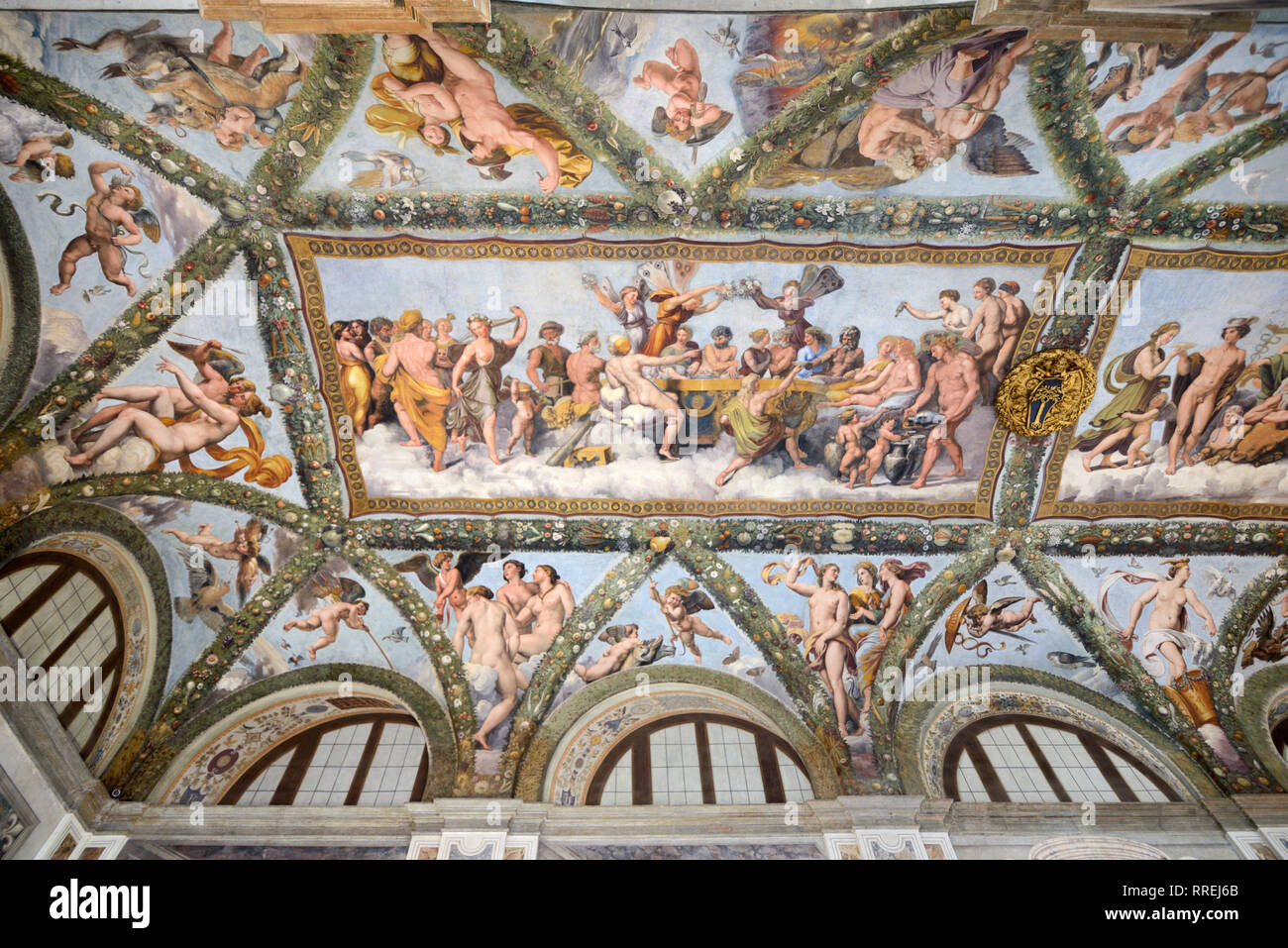
Loggia of cupid hires stock photography and images Alamy

Decoration of the Loggia di Psiche in the Villa Farnesina (151718)

Rom, Via della Lungara, Villa Farnesina, Loggia di Psyche,… Flickr
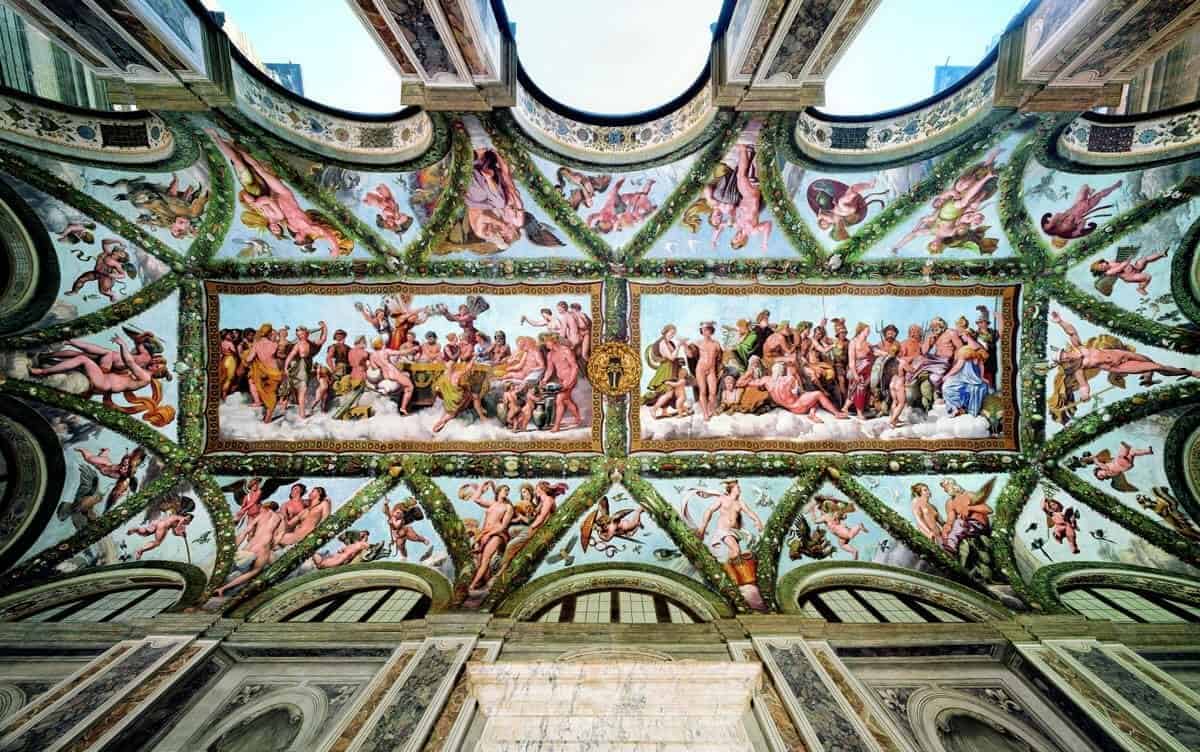
Visit Villa Farnesina in Rome with Raphael’s Frescoes Romeing
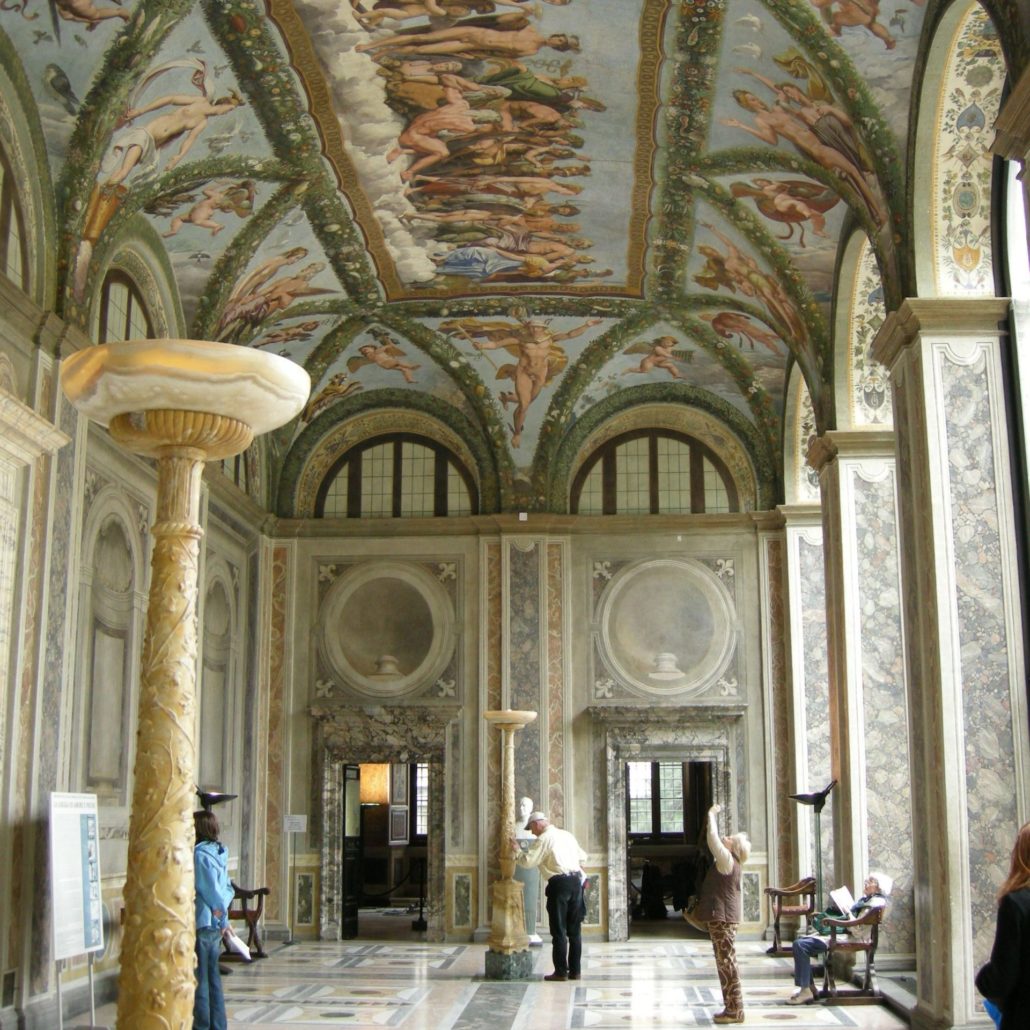
Itinerari nella Roma rinascimentale Guida autorizzata di Roma e Vaticano

In dettaglio. Villa Farnesina. Iconografia botanica della Loggia di Amore e Psiche
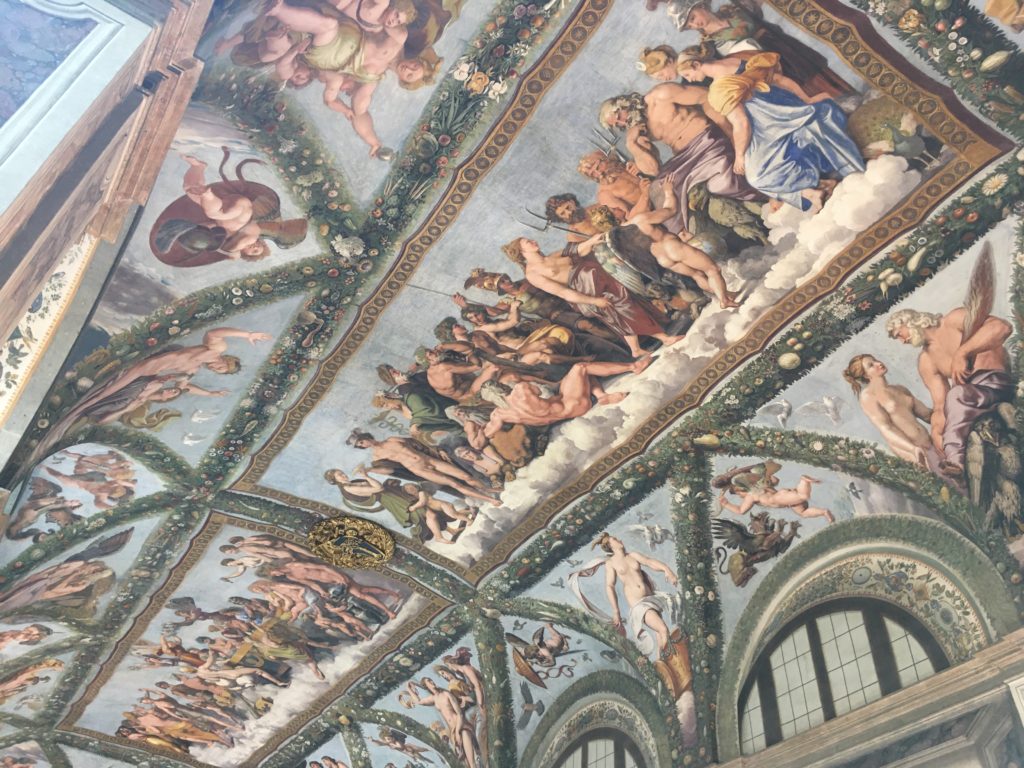
Villa Farnesina mostra Raffaello le Logge di Galatea e Psiche You Local Rome

Decoration of the Loggia di Psiche in the Villa Farnesina (151718)

A breathtaking experience Rome, Rapahel and Villa Farnesina! doitwell

VIAGGIO IN ITALIA LA VILLA FARNESINA A ROMA Folia
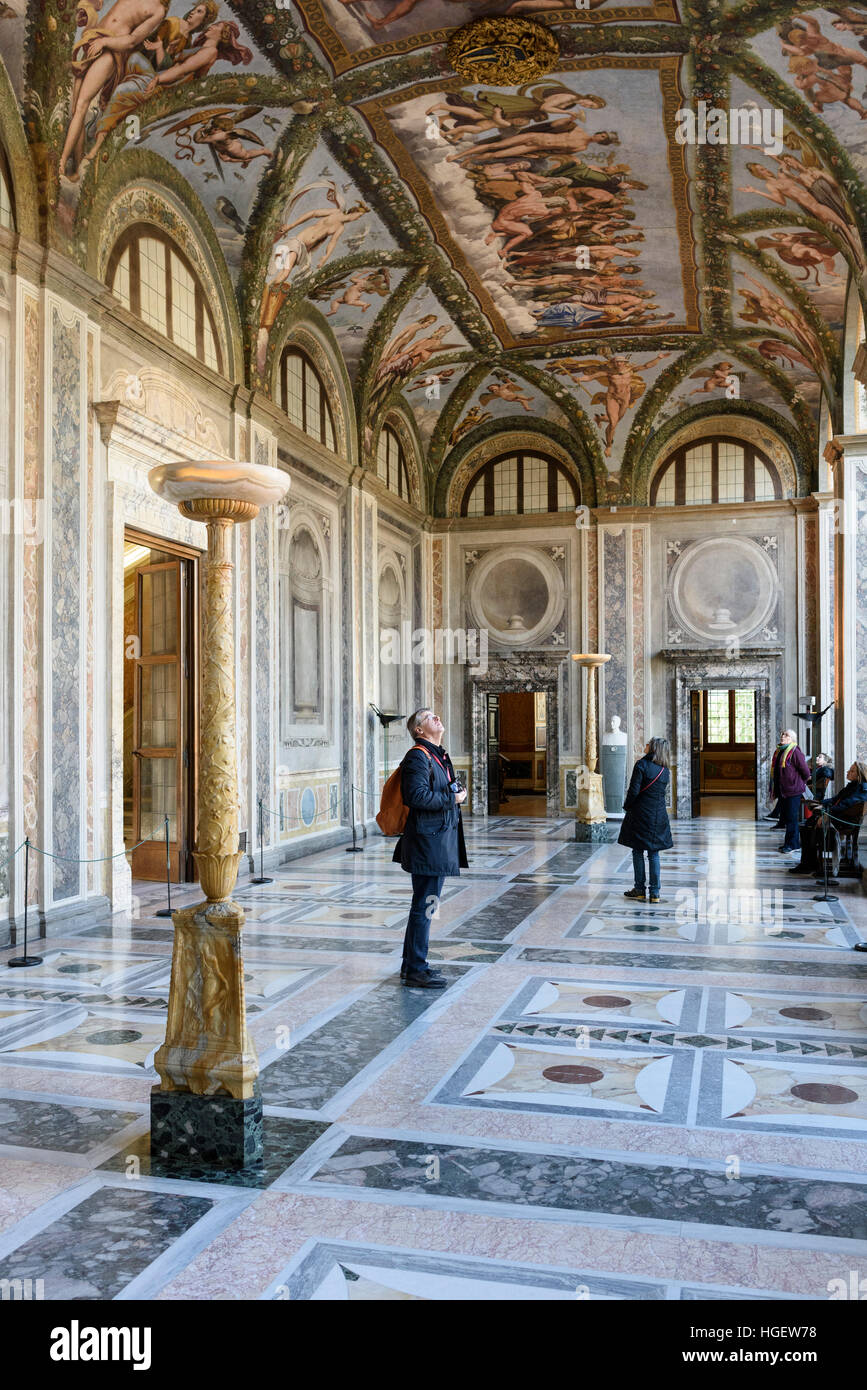
Rome. Italy. Villa Farnesina. La Loggia di Amore e Psiche (The Loggia of Cupid and Psyche), with
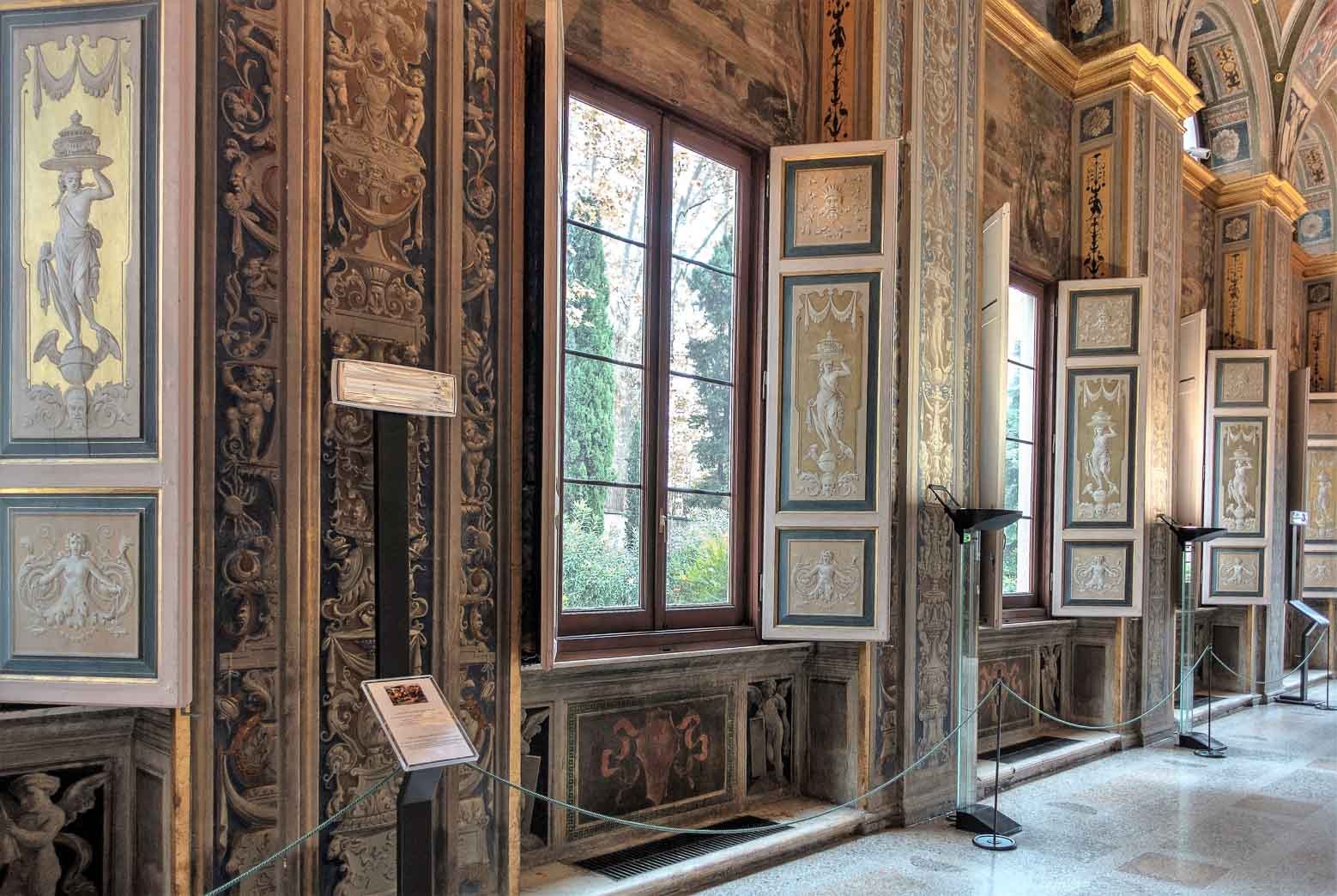
Rome for beginners and for the advanced, for the curious and the courageous.

Villa Farnesina

Rome for beginners and for the advanced, for the curious and the courageous.
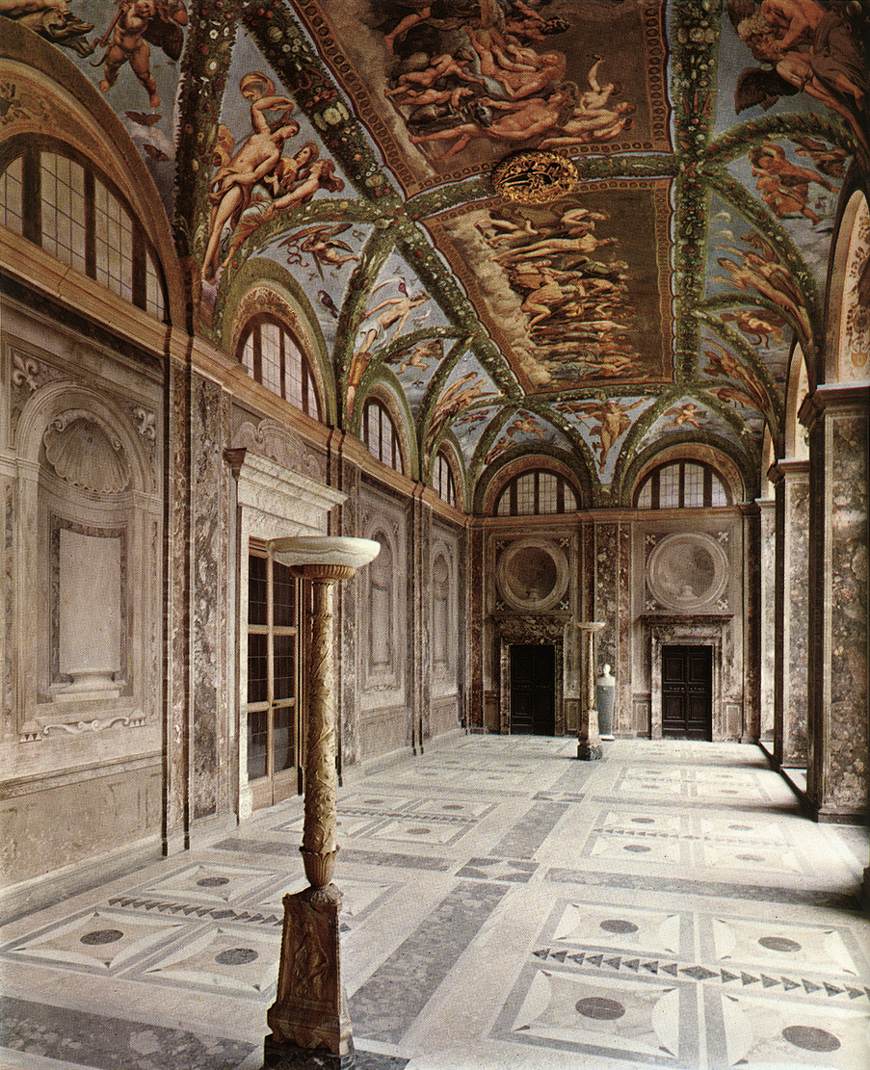
Decoration of the Loggia di Psiche in the Villa Farnesina (151718)

The Loggia of Cupid & Psyche, Villa Farnesina Designed by … Flickr

Villa Farnesina, Loggia di Amore e Psiche, vista da sud Folia
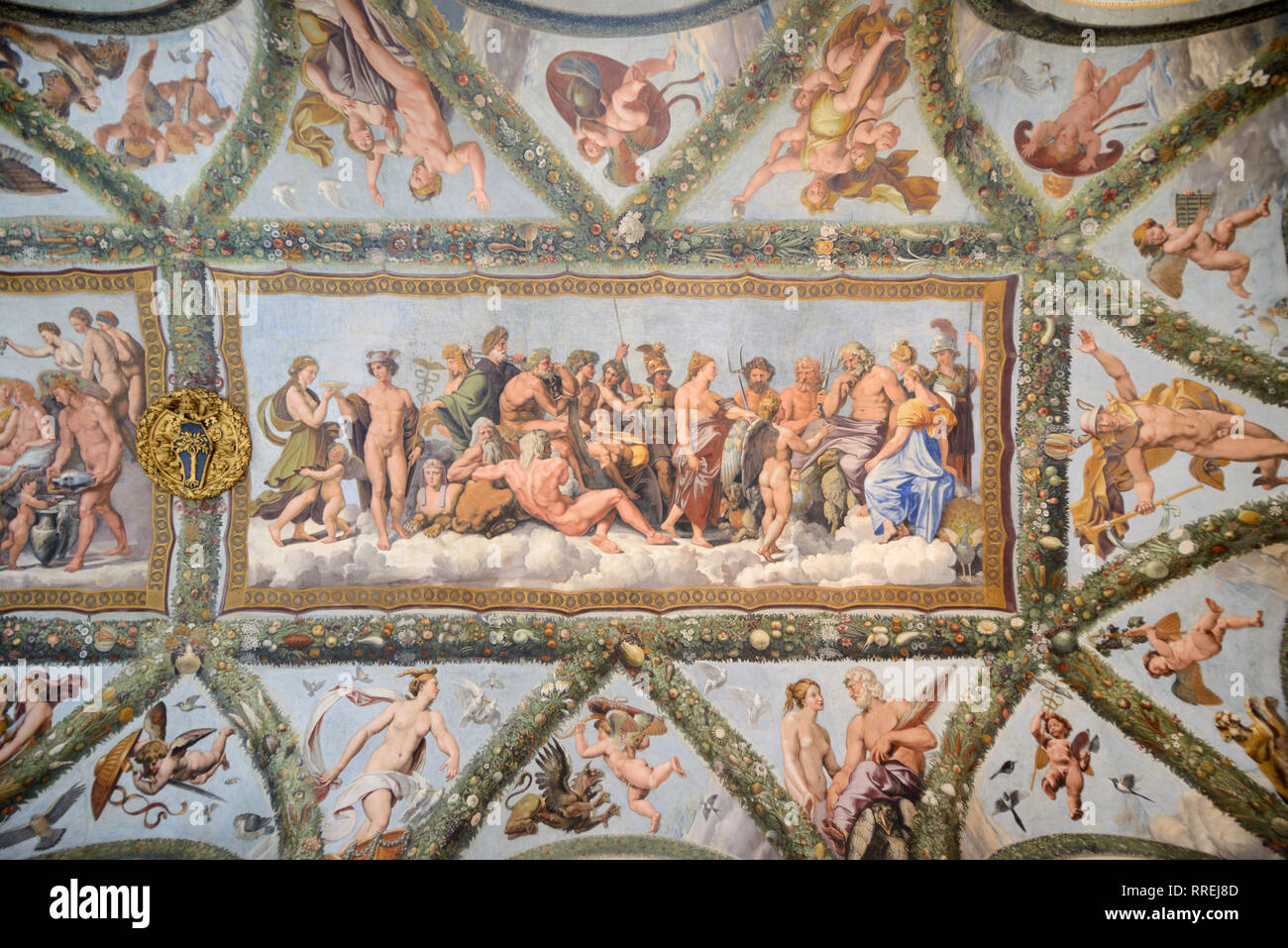
Bemalte Decke der Loggia von Amor und Psyche (1518) von Raphaël, in der Renaissance Villa
Digital Loggia – Villa Farnesina. It. En. It. En. The digital system to virtual inspect the fresco of the ceiling of the ‘Loggia di Amore and Psiche’ in Villa Farnesina in Rome.. Around 1590, the powerful Farnese family took possession of the villa, hence its name “Farnesina”.. In the late 19th century, the building of the Tiber embankments entailed the demolition of part of the garden which constituted a wide “viridarium”, including the stable and the loggia (or pavilion) overlooking the river, probably designed by Raffaello.

