Recurrence: Isolated or part of Turner syndrome: no increased risk of recurrence. Part of autosomal recessive syndroms: 25%. The Fetal Medicine Foundation is a Registered Charity that aims to improve the health of pregnant women and their babies through research and training in fetal medicine.. Resumen . Objetivos: Determinar la importancia del espacio retronucal en fetos entre las 11 y 13+6 semanas, identificando sus características, la asociación con anomalías cromosómicas y las posibles diferencias entre higroma quístico y translucencia nucal aumentada.Diseño: Estudio transversal prospectivo.Institución: Instituto Latinoamericano de salud Reproductiva, Lima, Perú.
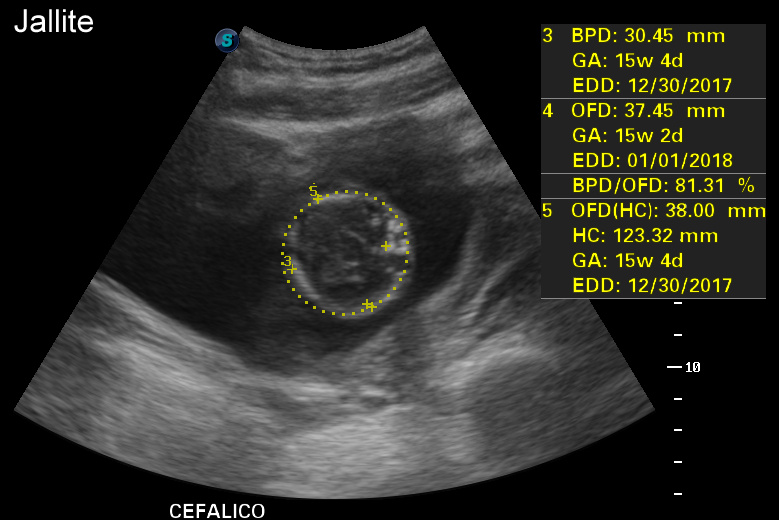
Higroma Quistico
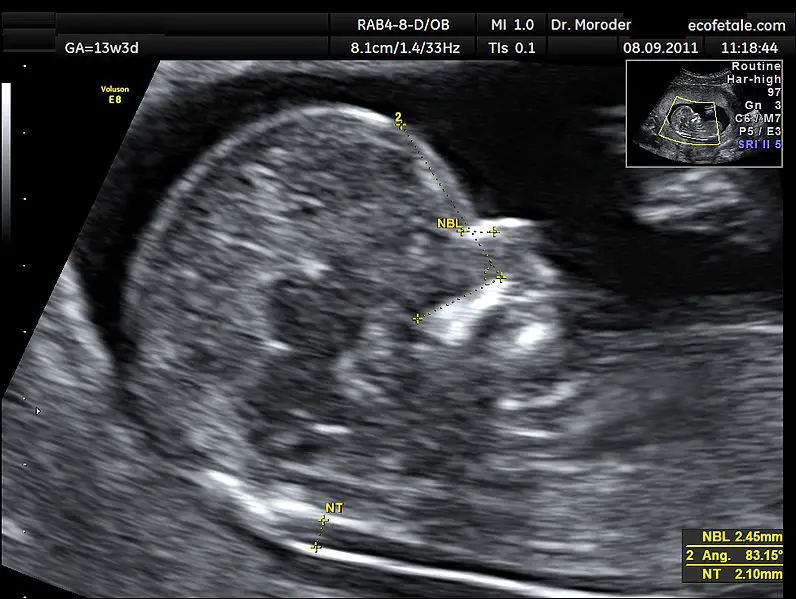
¿Cuál es la diferencia entre el higroma quístico y la translucencia nucal?
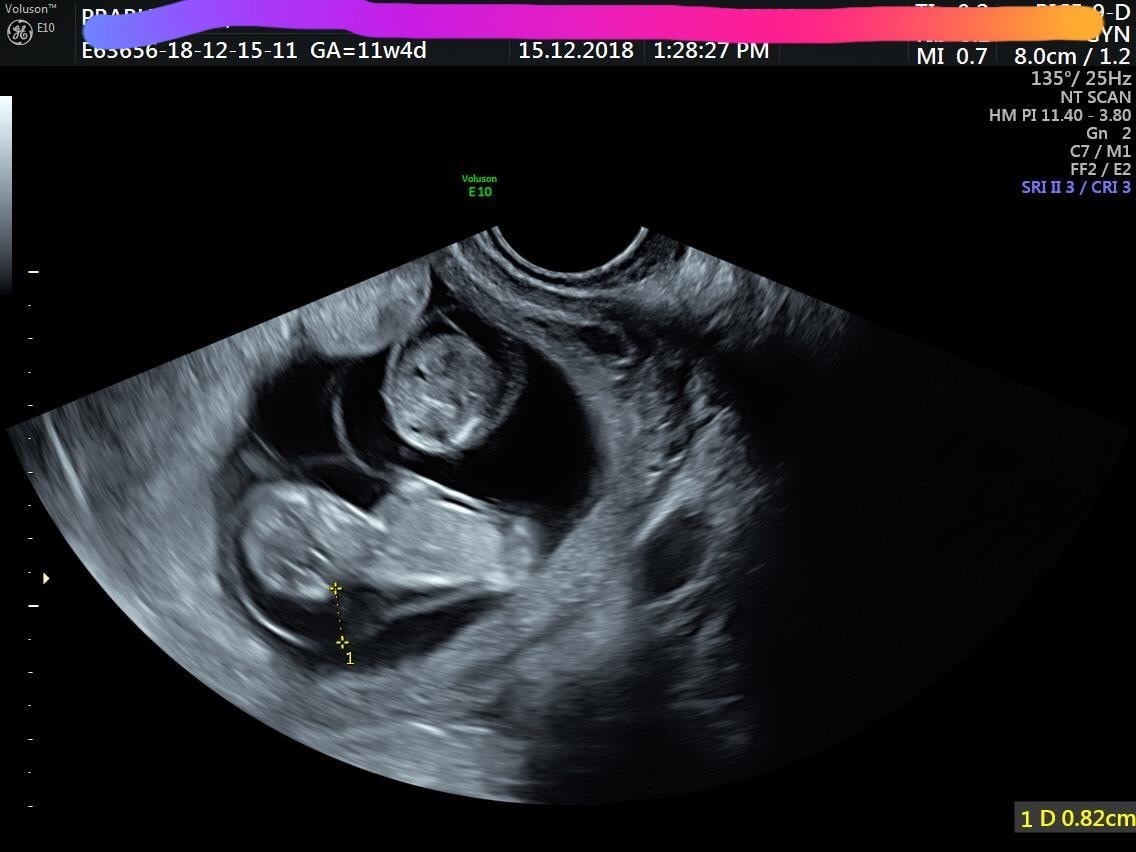
Higroma quistico en gemelos El Blog de Godie
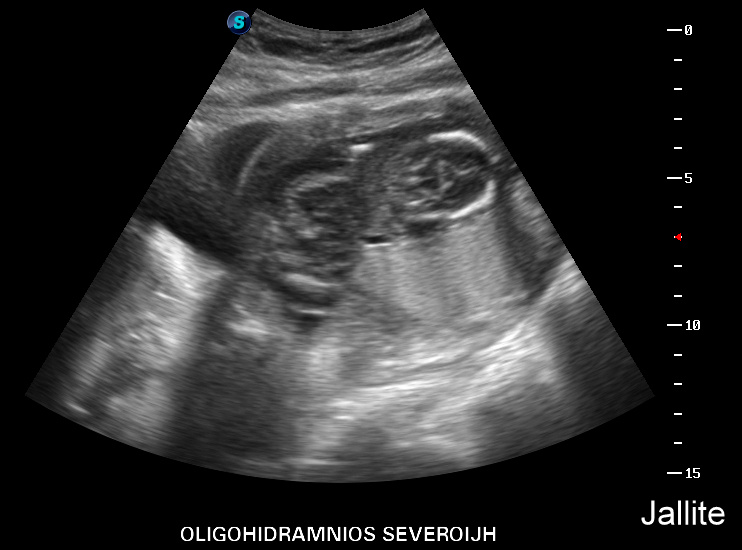
Higroma Quistico & Oligohidramnios & Obito Fetal

[Figure, Illustration of normal fetus and fetus with cystic hygroma. Contributed by Chelsea Rowe

Higroma Quístico

The karyotypes of the second fetus with cystic hygroma 69XXX… Download Scientific Diagram
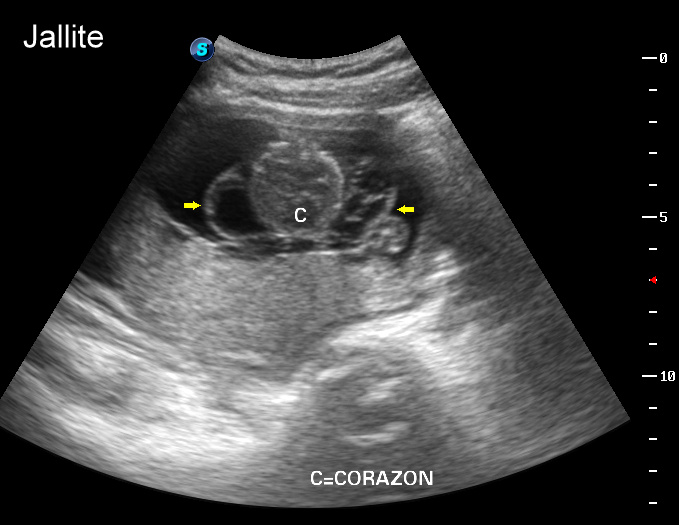
Higroma Quistico

Cystic Hygroma Surgery in 3months baby MRRM Hospital YouTube

Ecografia 2D 11 semanas Higroma quistico pliegue nucal patologico Dr. Rafael Ortega Muñoz

HIGROMA QUISTICO MEDICINA FETAL PERÚ YouTube

Large cystic hygroma (arrows). First trimester ultrasound (12 weeks),… Download Scientific

Hidrops fetal no inmune más higroma quístico en embarazada de 13 semanas de gestación. Reporte
![Amniocentesis [Extracción de líquido amniótico] por](https://creafam.com/wp-content/uploads/2020/10/Monsalve-Amnio.jpg)
Amniocentesis [Extracción de líquido amniótico] por un Higroma Quístico
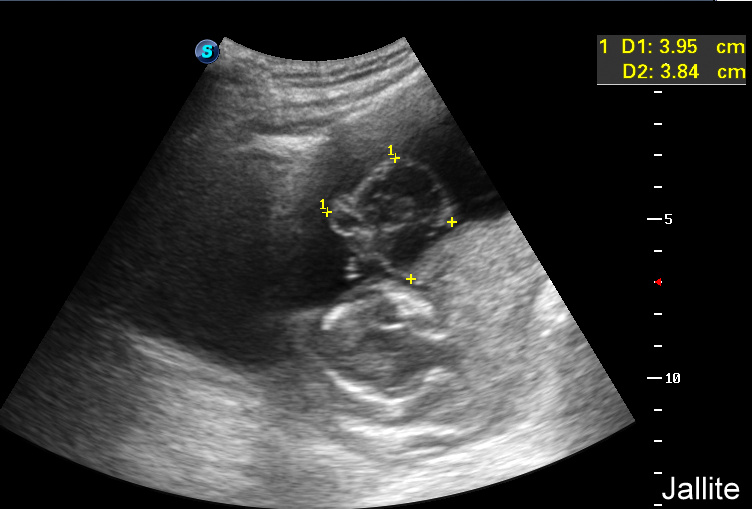
Higroma Quistico

Cystic hygroma in fetus & in adults, causes, prognosis and treatment

Cystic hygroma Radiology Reference Article Obstetric Ultrasound, Ultrasound
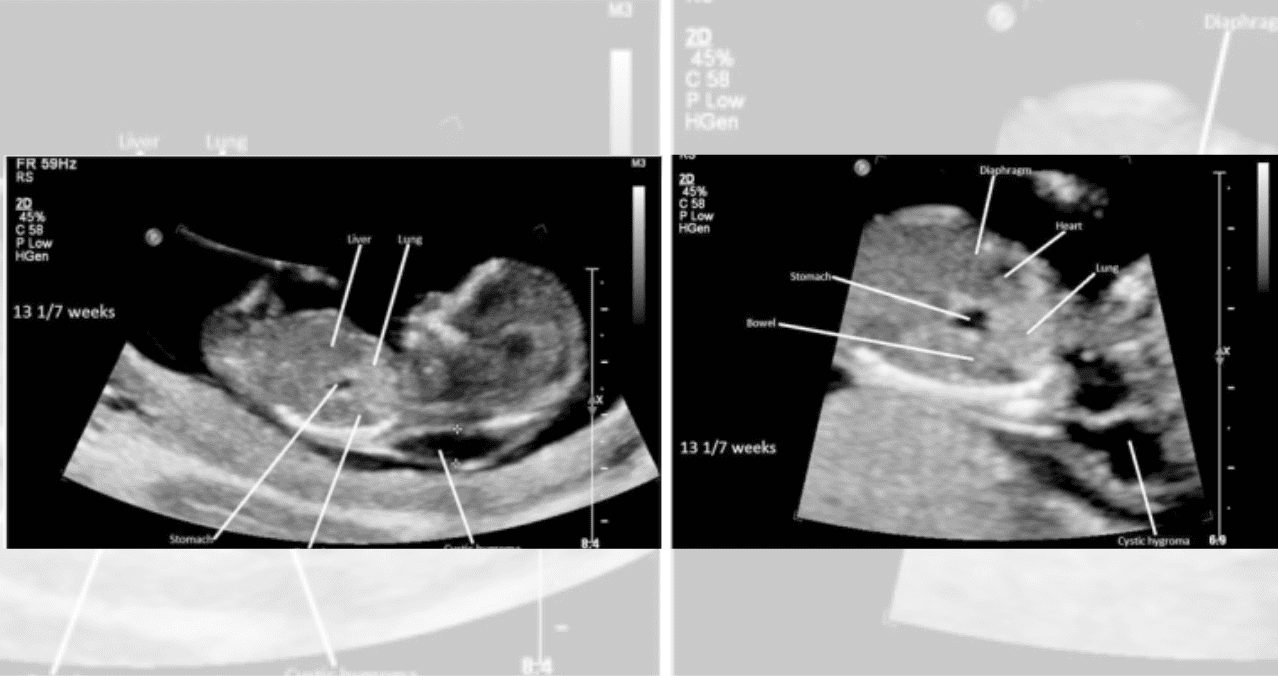
Higroma quístico del primer trimestre Diagnóstico de hernia diafragmática congénita
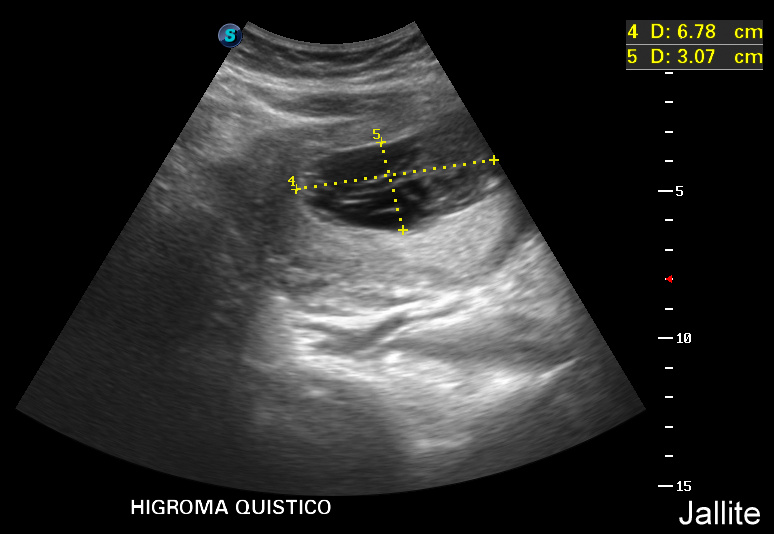
Higroma Quistico & Oligohidramnios & Obito Fetal
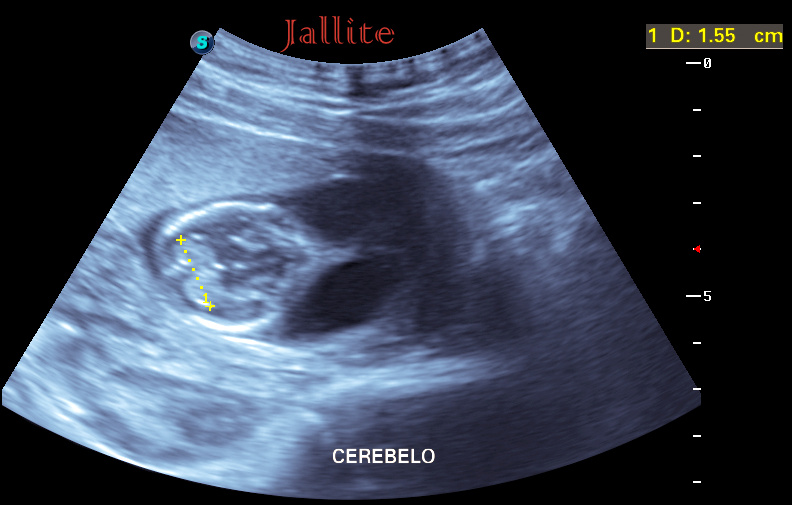
Higroma Quistico
Resolución espontánea del higroma quístico en un feto con síndrome de turner y evolución postnatal / Spontaneous resolution of cystichygroma in a fetus with turner syndrome and postnatal evolution. Results. The overall incidence of cystic hygroma was 1/1851 live newborns. The mean gestational age at diagnosis was 14.6 weeks and the mean maternal age at diagnosis was 29 years. Seventy percent of cystic hygromas had associated anomalies and 63% of the karyotypes studied were abnormal. Induced abortion was performed in 56%.

